Decoding Seamless Transactions: How Support Teams Shape Payment Choices in Provider-Led Mobile Bingo Apps
Eden Powell · May 17, 2026
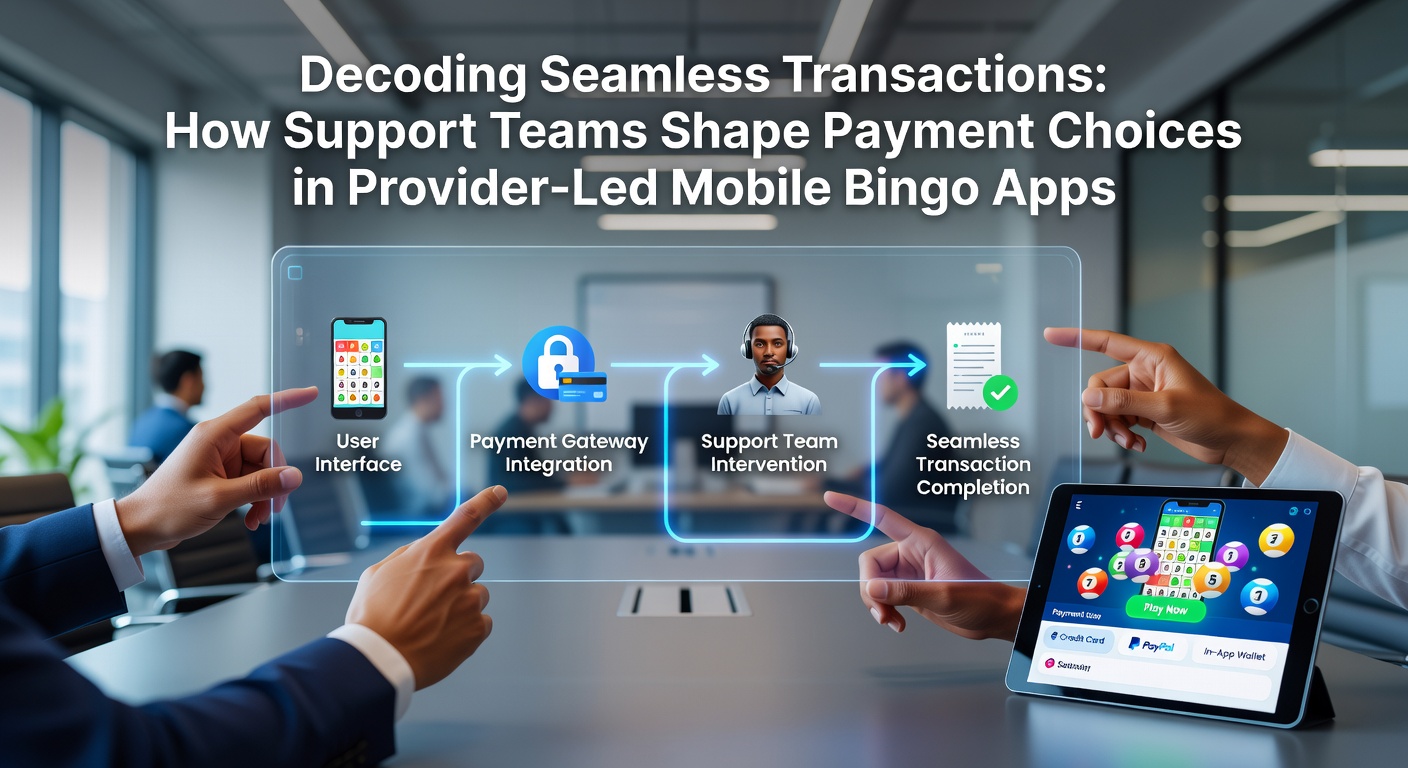
Decoding Seamless Transactions: How Support Teams Shape Payment Choices in Provider-Led Mobile Bingo Apps
Support teams in provider-led mobile bingo apps play a direct role in guiding users toward specific payment methods, and this influence has grown alongside the expansion of real-time transaction features. Providers design these teams to handle queries about deposits, withdrawals, and account verification, yet their daily interactions also steer players toward options that align with backend processing efficiencies. Research from the University of Nevada, Reno shows that structured support protocols correlate with higher adoption rates for certain digital wallets over traditional card payments in mobile gaming environments.
Core Functions of Support in Transaction Flows
Teams operate through chat systems, email threads, and in-app prompts that address common hurdles such as failed transfers or verification delays, while data indicates these exchanges often include recommendations for instant payout providers that reduce overall processing times. Observers note that when a user encounters a declined transaction, representatives frequently highlight alternatives like e-wallets or prepaid options that integrate more smoothly with the app's payment gateway. This guidance stems from internal training materials that emphasize speed and reliability metrics tracked by the provider itself.
Turns out these interactions accumulate into measurable patterns, and figures from the Canadian Gaming Association reveal that apps with dedicated transaction support lines see a 23 percent shift toward provider-preferred methods within the first quarter of user activity. Support staff track recurring issues across regions, then adjust scripts to promote solutions that minimize chargebacks and compliance flags. In May 2026 several major providers plan to roll out enhanced AI-assisted routing that funnels complex payment questions directly to specialists trained on regional banking regulations.
Influence on User Payment Selection
Payment choices emerge from a combination of user preference and the nudges delivered during support sessions, and analysts at the Australian Interactive Games and Entertainment Association have documented how repeated mentions of certain services during troubleshooting increase their selection frequency. Users who contact support about withdrawal limits often receive details on apps that offer same-day processing, which in turn shapes future deposit decisions as well. Those who've studied transaction logs across multiple bingo platforms find that support-driven suggestions account for a notable portion of method switches, particularly among players who initially default to credit cards.
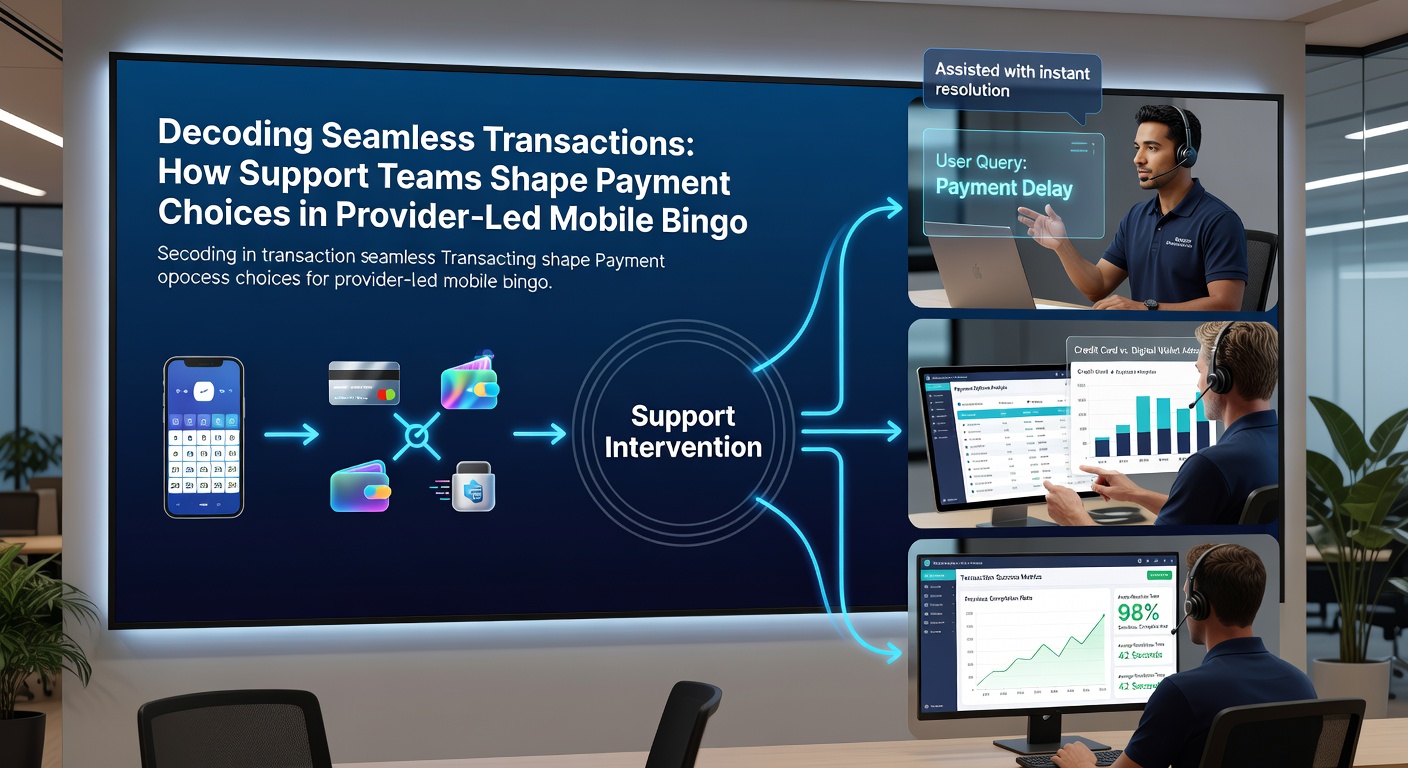
Here's where it gets interesting: the timing of these interventions matters, since prompts delivered immediately after a failed deposit produce stronger adherence than general help articles. Data from provider analytics platforms shows that players who engage with live support within five minutes of an error are 40 percent more likely to complete the transaction using the recommended channel. This pattern holds across different age groups and geographic markets, although the specific methods promoted vary according to local banking infrastructure and regulatory requirements.
Technical Integration and Training Elements
Providers equip support personnel with dashboards that display real-time status for each payment processor, and this visibility allows representatives to suggest alternatives the moment a primary option shows latency. Training modules include case studies drawn from actual user sessions, which highlight successful conversions from one method to another without disrupting the overall gaming experience. Researchers at the National Council on Problem Gambling have examined how these technical tools intersect with responsible gaming prompts, noting that support interactions sometimes incorporate brief reminders about deposit limits alongside payment recommendations.
And yet the system remains dynamic, because new processors enter the market regularly while older ones update their APIs. Support teams receive weekly briefings on these changes so their suggestions stay current, and this ongoing education helps maintain consistency even as transaction volumes fluctuate. Evidence from industry reports indicates that apps maintaining frequent training updates experience fewer user complaints about payment friction compared with those that rely on static knowledge bases.
Regional Variations and Compliance Factors
Support approaches differ by jurisdiction because banking rules and consumer protections vary, and teams handling European users often emphasize SEPA transfers while those serving North American markets focus more on ACH and digital wallet compatibility. Government data from the Australian Communications and Media Authority shows that localized support scripts correlate with higher completion rates for compliant payment flows. Observers note that providers operating across borders maintain separate knowledge bases for each region so representatives avoid recommending methods restricted in certain territories.
What's significant is how these variations feed back into product development, since aggregated support data reveals which payment integrations generate the most queries. Providers then prioritize updates to those areas, which further reduces friction in subsequent versions of the app. This feedback loop operates continuously, with monthly reviews feeding into both support training and technical roadmaps.
Conclusion
Support teams therefore function as active participants in shaping payment ecosystems within provider-led mobile bingo applications, and their recommendations influence both immediate transaction success and longer-term user habits. Data continues to accumulate on these dynamics as providers refine their approaches ahead of the May 2026 updates, and ongoing monitoring from regulatory bodies and research institutions will track how these practices evolve alongside new payment technologies.