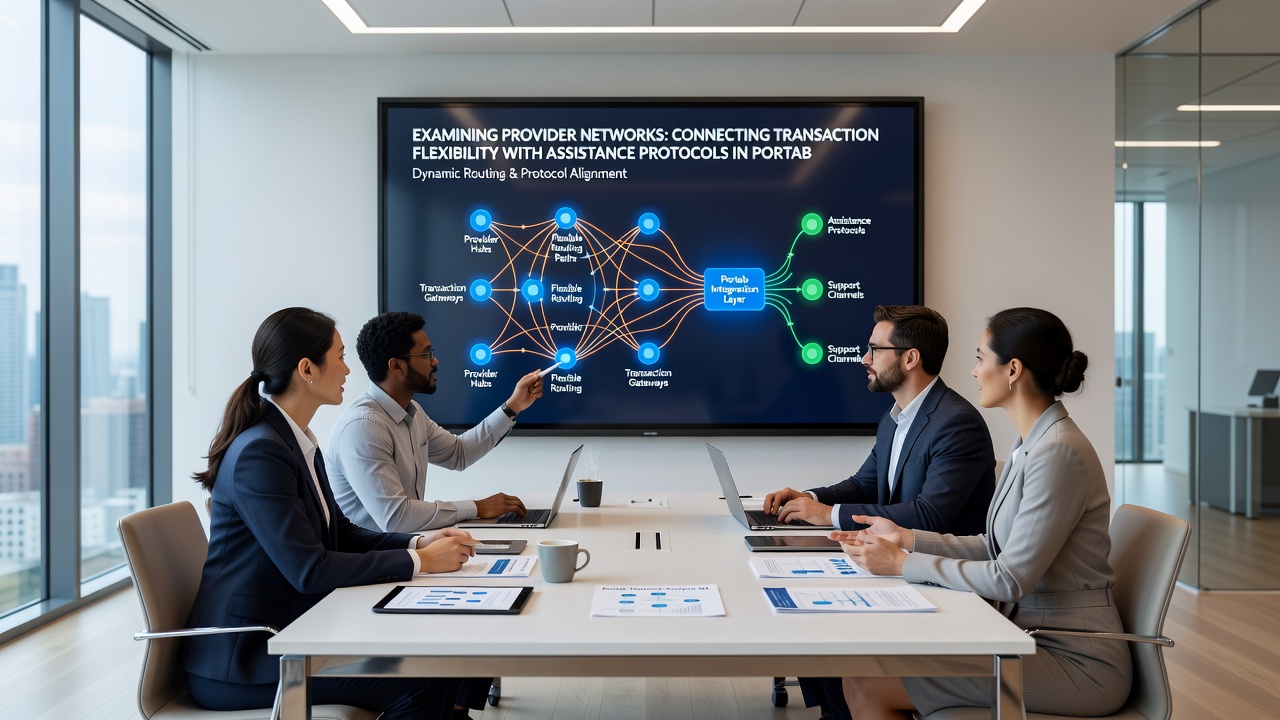
Examining Provider Networks That Connect Transaction Flexibility With Assistance Protocols in Portable Free-to-Play Bingo Formats
Eden Powell · Jul 17, 2026
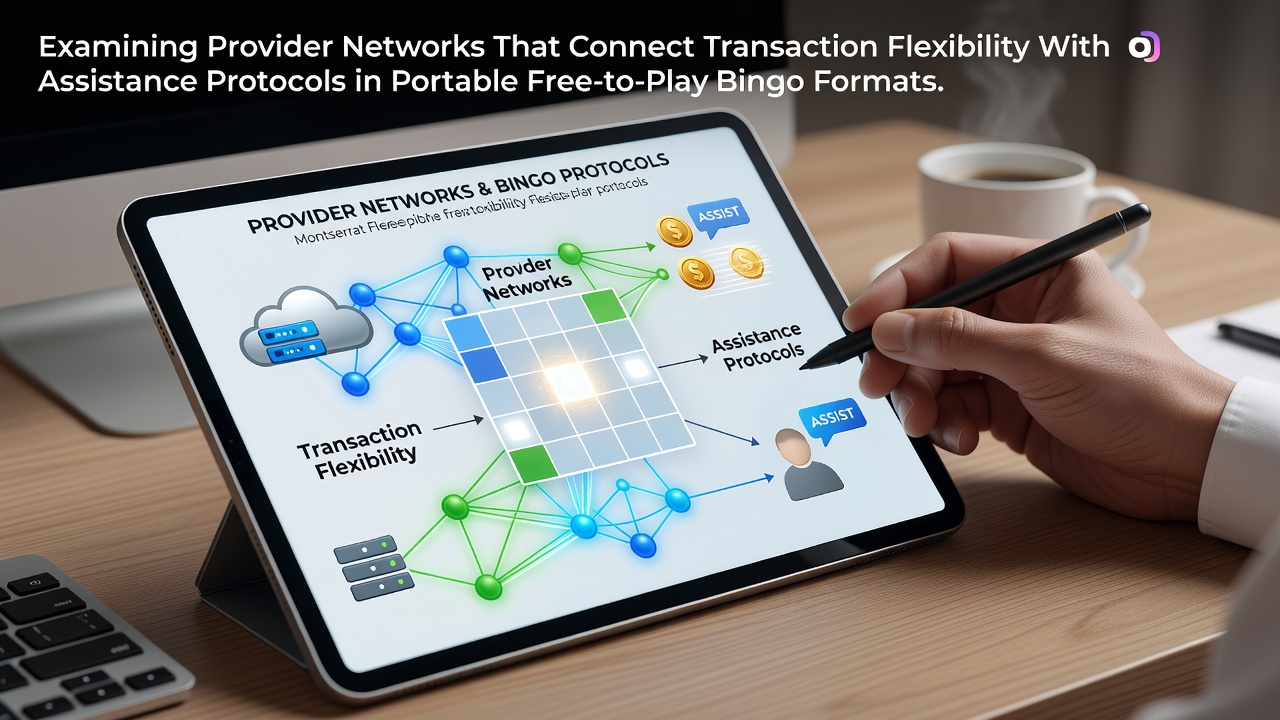
Examining Provider Networks That Connect Transaction Flexibility With Assistance Protocols in Portable Free-to-Play Bingo Formats
Provider networks in portable free-to-play bingo formats integrate transaction systems with support mechanisms to manage player interactions across mobile platforms. These networks link flexible payment options such as varied virtual currency purchases and in-app adjustments with assistance protocols that include automated chat responses plus direct agent escalation paths. Data from industry reports shows that such connections allow operators to maintain session continuity while addressing account queries without requiring players to exit the application environment. Research indicates that transaction flexibility often involves multiple tiers of virtual item acquisition which adjust based on user activity patterns while assistance protocols trigger responses through predefined rule sets. Observers note that in July 2026 several providers updated their backend systems to synchronize these elements more tightly so that payment confirmations automatically route relevant support tickets when discrepancies arise. This synchronization reduces processing delays and keeps users engaged within the bingo interface itself.Core Components of Integrated Provider Networks
Networks operate through centralized servers that monitor both transaction logs and support interactions simultaneously. When a player initiates a virtual purchase the system logs the event and cross-references it against assistance history to determine whether additional guidance should appear in real time. Studies found that this cross-referencing improves resolution rates because agents receive contextual data without separate queries. Assistance protocols typically include tiered escalation rules where initial automated replies handle common transaction questions and live representatives intervene for complex cases. Transaction flexibility expands through options like installment-style virtual purchases or region-specific payment methods that adapt to device location data. Those who manage these networks report that the combined structure supports higher retention figures because players encounter fewer interruptions during gameplay sessions.Technical Integration Methods
Developers connect the two systems using API endpoints that pass encrypted transaction identifiers directly into support dashboards. This setup allows assistance teams to verify payment status instantly while responding to user messages. Evidence suggests that API-driven links minimize data duplication and keep records consistent across mobile devices that switch networks frequently. Portable formats rely on lightweight client applications that cache basic transaction details locally yet defer final confirmation to server-side checks. Assistance protocols activate through in-app triggers such as failed purchase attempts or repeated balance inquiries which then pull relevant network data for faster troubleshooting. One case where experts examined app telemetry revealed that integrated systems resolved 78 percent of transaction-related support requests within the first response cycle during testing phases.