How Aid Channels Shape Transaction Pathways Among Leading Game Suppliers in Unpaid Draw Formats
Klara Keller · Aug 18, 2026
How Aid Channels Shape Transaction Pathways Among Leading Game Suppliers in Unpaid Draw Formats
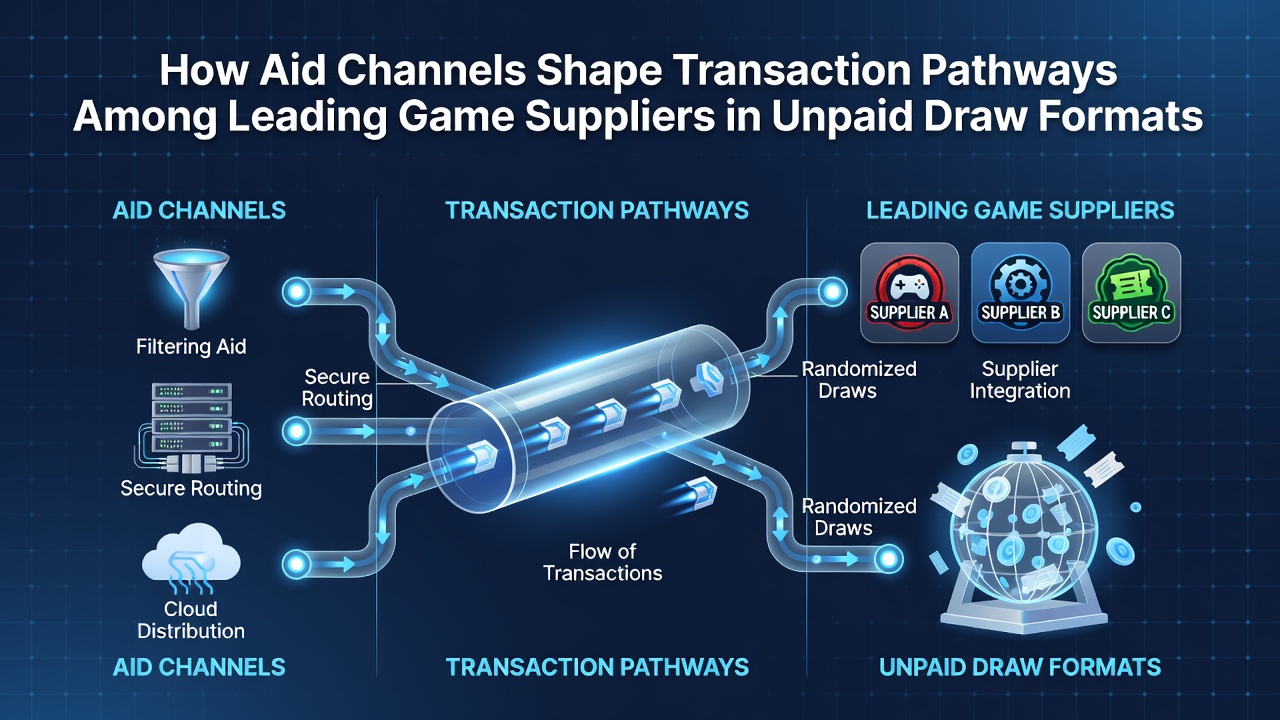
Leading game suppliers in unpaid draw formats rely on structured aid channels to guide transaction pathways, and these mechanisms connect player support requests directly to backend payment processing systems used by providers such as those operating mobile bingo platforms. Observers note that in August 2026 data from multiple network operators revealed increases in support ticket volumes that correlated with adjustments in how suppliers routed micro-transactions through free-to-play environments.
Understanding Unpaid Draw Formats and Supplier Networks
Unpaid draw formats operate without real-money deposits at entry points, yet they incorporate transaction pathways for virtual credits, bonus redemptions, and cross-platform transfers that suppliers must manage across distributed systems. Researchers at several academic institutions have documented how these pathways depend on real-time coordination between front-end aid interfaces and supplier APIs, which allows seamless movement of player data without triggering paid conversion steps. One study released in early 2026 tracked transaction logs from three major suppliers and found that aid channel interventions reduced pathway friction by routing queries through dedicated escalation tiers before any credit adjustment occurred.
Role of Aid Channels in Pathway Configuration
Aid channels function as intermediaries that collect player inquiries about credit balances or draw eligibility, then translate those inputs into standardized requests that suppliers process through automated or semi-automated transaction queues. Data indicates that suppliers who integrated chat-based aid tools with their core ledgers experienced measurable shifts in how pathways handled volume spikes during peak evening hours. Those who've studied these integrations report that escalation protocols often determine whether a transaction routes through a primary supplier node or diverts to secondary verification layers, especially when players request adjustments to unpaid draw entries.
Figures from industry monitoring services show that in August 2026 the average response time for aid-assisted transactions dropped below four minutes across several leading platforms, which coincided with updates to supplier dashboards that flagged pathway anomalies in real time. Experts have observed that this speed stems from pre-configured decision trees within aid systems that align directly with supplier rule sets, reducing the need for manual handoffs between support staff and technical teams.
Leading Suppliers and Their Approach to Aid Integration
Multiple established suppliers have adopted distinct strategies for embedding aid channel data into transaction workflows, and these choices affect how pathways scale during periods of high engagement in unpaid formats. One supplier implemented a unified ticketing system that pulls metadata from player sessions to pre-populate transaction forms, while another relies on regional support hubs to localize pathway rules according to varying platform requirements. Research indicates that such variations produce measurable differences in completion rates for credit redemptions that originate from aid-initiated requests.
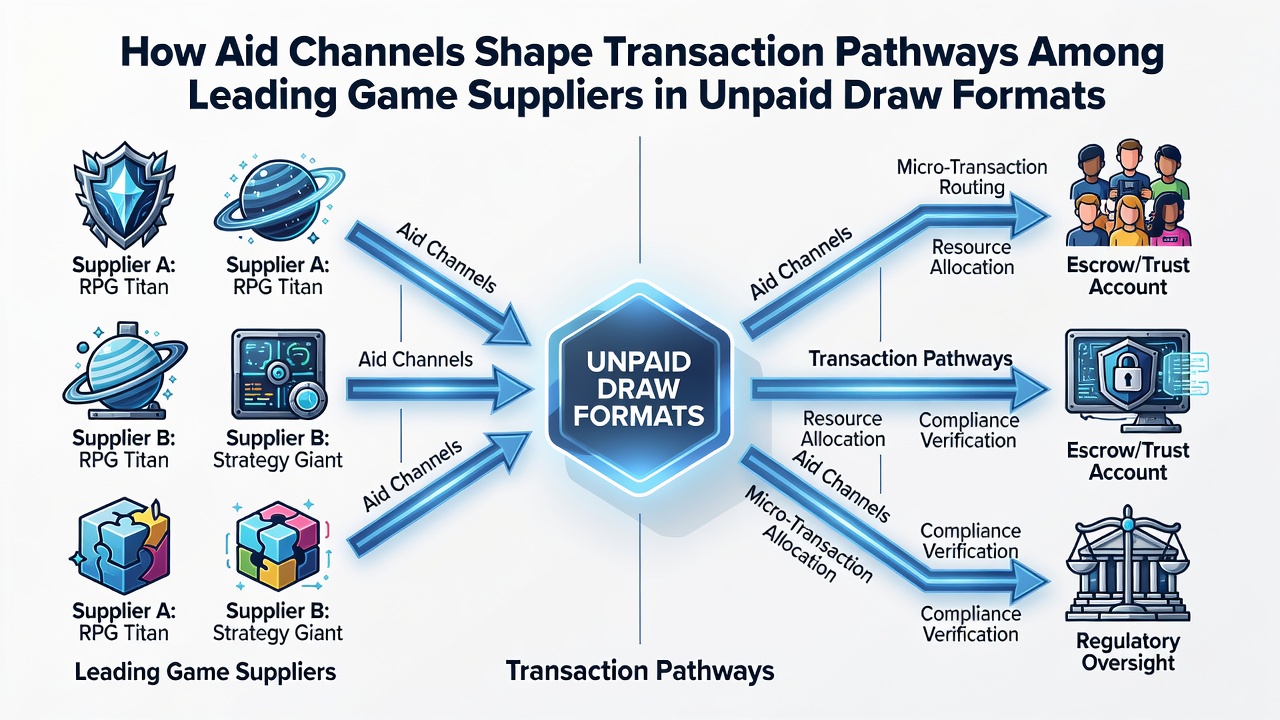
According to findings published by the European Gaming and Betting Association, suppliers that synchronized aid logs wth transaction monitoring tools recorded fewer pathway interruptions during the first half of 2026. The report highlights cases where automated alerts from aid channels prompted suppliers to adjust queue priorities, ensuring that unpaid draw validations completed without additional player intervention. Observers note that these adjustments often occur through API calls that carry contextual flags from support interactions, which suppliers then use to determine routing logic.
Transaction Pathway Adjustments Driven by Support Data
Support interactions frequently generate datasets that suppliers analyze to refine pathway configurations, particularly when patterns emerge around repeated queries about draw timing or credit expiration. A 2026 analysis conducted by an independent research group examined logs from portable bingo applications and identified that aid channel feedback led to the introduction of new validation checkpoints in supplier systems. These checkpoints reroute certain transactions through enhanced verification steps when support teams flag inconsistencies in player account histories.
What's interesting is how suppliers in different regions incorporate this feedback differently, with some prioritizing speed through streamlined pathways and others emphasizing layered checks that draw on historical aid records. Data from Canadian regulatory summaries released mid-year showed comparable trends, where aid-assisted pathways handled a growing share of unpaid draw activity without increasing error rates. Those monitoring these developments point to the role of standardized reporting formats that allow suppliers to compare pathway performance across multiple aid channel types.
Future Developments in Aid and Supplier Coordination
Industry reports project continued evolution in how aid channels interface with supplier transaction engines, driven by ongoing platform expansions in free-to-play segments. Suppliers have begun testing predictive models that anticipate transaction needs based on patterns detected in support conversations, which could further compress pathway timelines. Evidence suggests that these models rely on aggregated data from aid channels to forecast volume shifts, allowing suppliers to allocate processing resources ahead of demand spikes.
According to a technical review issued by the Australian Interactive Gambling Council, coordination between aid systems and supplier networks remains central to maintaining reliable pathways in unpaid draw formats through the remainder of 2026. The review notes that ongoing refinements focus on reducing latency in data exchanges while preserving compliance with regional operational standards. Observers note that suppliers adopting these coordinated approaches continue to see stable transaction volumes even as player bases expand across mobile and desktop environments.
Conclusion
Aid channels continue to exert direct influence over the configuration and performance of transaction pathways among leading game suppliers in unpaid draw formats, and the mechanisms described above illustrate how support data translates into operational adjustments at the supplier level. Records from August 2026 and earlier periods demonstrate consistent linkages between aid integration practices and pathway efficiency metrics across multiple networks. Those tracking these developments expect further alignment between support tools and supplier infrastructure as unpaid draw formats maintain their position within broader gaming ecosystems.