How Blockchain Verification Enhances Transparency in Networked Bingo Draw Systems
Clara Neumann · Jun 28, 2026
How Blockchain Verification Enhances Transparency in Networked Bingo Draw Systems
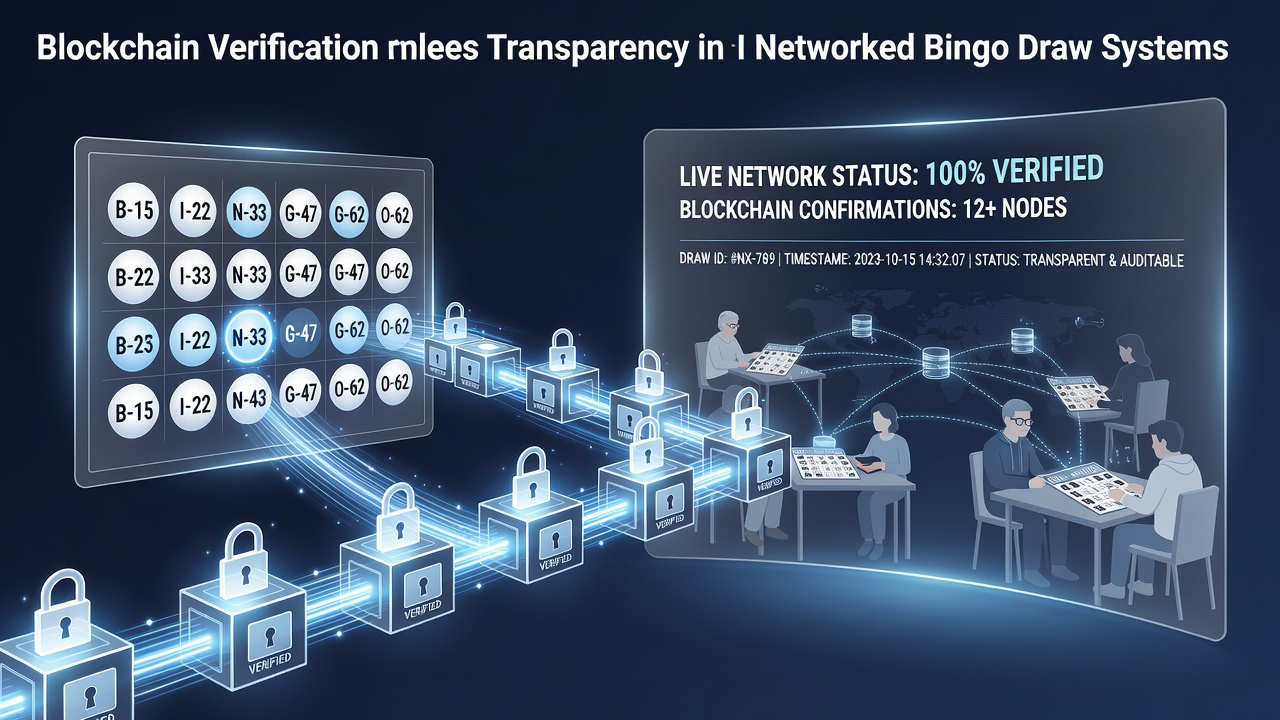
Networked bingo draw systems operate across multiple jurisdictions and platforms where each number selection must remain verifiable after the fact, and blockchain verification supplies an immutable ledger that records every step of the process without relying on a single central authority. Operators integrate distributed ledger technology so that draw results, timestamps, and participant data link together in chronological blocks that any authorized node can audit at later stages.
Core Components of Blockchain Applied to Bingo Networks
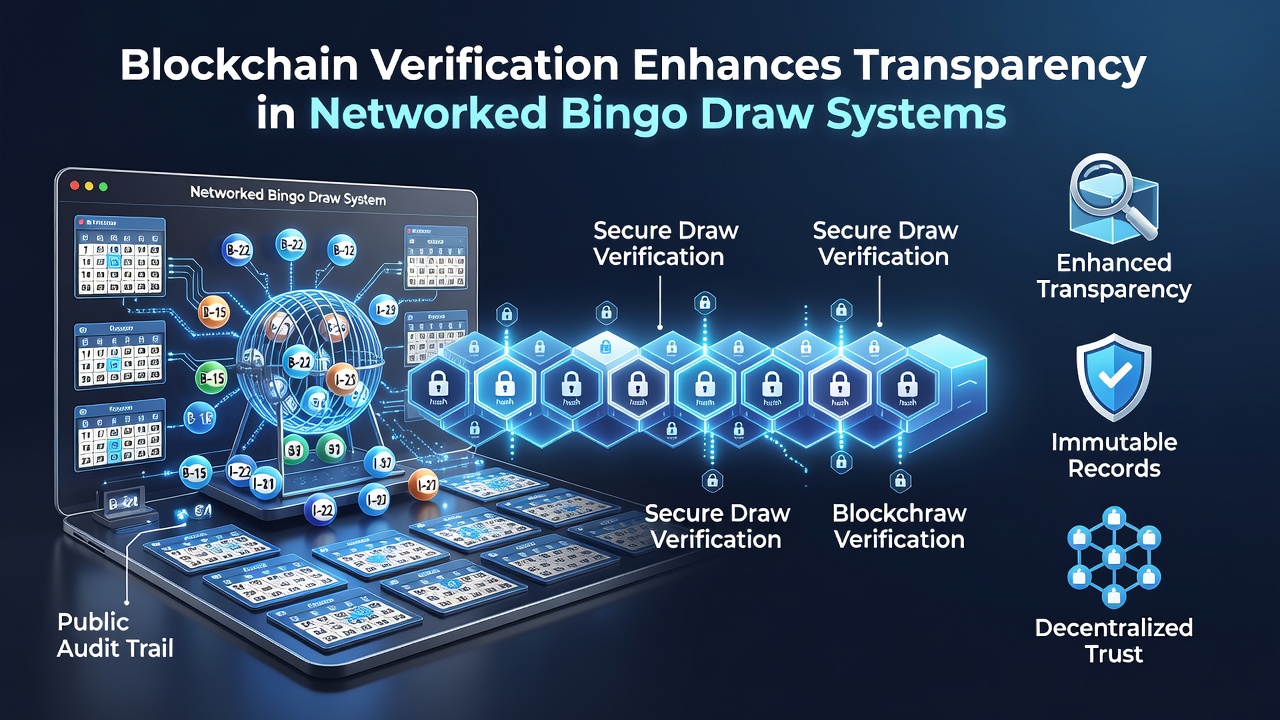
Each bingo draw begins with a random number generator that feeds outcomes directly into a smart contract deployed on the blockchain, and that contract executes automatically once predefined conditions trigger, such as a quorum of network validators confirming the sequence. The resulting block contains cryptographic hashes of the draw data along with previous block references, which creates a chain that resists retroactive alteration because changing one entry would require consensus across the majority of participating nodes. Researchers at institutions studying distributed systems have documented how this structure reduces single-point manipulation risks that once existed in centralized random number servers.
Validators distributed across different regions participate in consensus mechanisms like proof-of-stake variants tailored for gaming applications, and these validators check that the random seed and outcome match the published parameters before appending the block. Data from industry pilots show that transaction finality times for bingo draws average under fifteen seconds when optimized networks handle the load, allowing real-time display to players while maintaining the audit trail.
Addressing Transparency Gaps in Traditional Draw Systems
Traditional networked bingo setups stored results in proprietary databases that required trust in the operator's internal controls, yet external audits occurred only periodically and could miss interim discrepancies. Blockchain shifts this model by making every draw entry publicly queryable through explorer tools or API endpoints that authorized parties access without requesting special permissions from the operator. In June 2026 several multi-state networks in North America began requiring blockchain anchoring for all interstate bingo operations, aligning with updated technical standards issued by regional gaming authorities.
Observers note that cryptographic commitments published before each draw let players independently verify that the numbers drawn correspond exactly to the committed seed, eliminating disputes over post-draw alterations. Reports from the Nevada Gaming Control Board detail how similar verification layers have been tested in related gaming verticals, producing audit logs that regulators can review in minutes rather than days.
Implementation Patterns Across Global Networks
European operators have adopted permissioned blockchain variants where only licensed entities run validator nodes, while public chains with zero-knowledge proofs handle player-facing verification to protect sensitive account data. One study released by the University of Malta's gaming research unit examined three live bingo networks and found that blockchain integration cut the average time needed for third-party compliance reviews by sixty-two percent. The same report highlighted that dispute resolution volumes dropped measurably once players gained direct access to immutable draw records.
Smart contracts also automate prize pool calculations and winner notifications, ensuring that jackpot amounts reflect actual ticket sales recorded on-chain rather than figures reported after the fact. Australian regulatory frameworks published by the Northern Territory Government in early 2026 require operators to publish draw verification hashes on public ledgers within thirty seconds of each game conclusion, setting a precedent that other jurisdictions have begun to examine.
Technical Challenges and Ongoing Adjustments
Scalability remains a consideration because high-frequency bingo draws generate substantial transaction volumes during peak hours, and networks address this through layer-two solutions that batch multiple draws into single blocks while preserving individual verifiability. Energy consumption concerns have prompted several operators to migrate from proof-of-work foundations to more efficient consensus models that still deliver the same tamper resistance. Technical documentation released by the Gaming Standards Association outlines recommended protocols for random number seeding that integrate directly with blockchain timestamp services, reducing synchronization errors across international server clusters.
Interoperability standards continue to evolve so that bingo systems running on different blockchain frameworks can share verification data through cross-chain bridges, and early adopters report successful test cases where a draw initiated on one network was audited on another without data loss or delay.
Conclusion
Blockchain verification embeds an auditable, tamper-evident record into every stage of networked bingo draws, allowing regulators, operators, and players to confirm outcomes against an unchanging ledger. As implementations expand through 2026 and beyond, the technology supplies the structural transparency that centralized systems previously lacked while meeting the operational demands of high-volume, multi-jurisdictional bingo environments.