Mapping Connections Among Leading Developers, Service Teams, and Banking Choices in No-Stake Bingo on the Go
Erik Lehmann · Jul 31, 2026
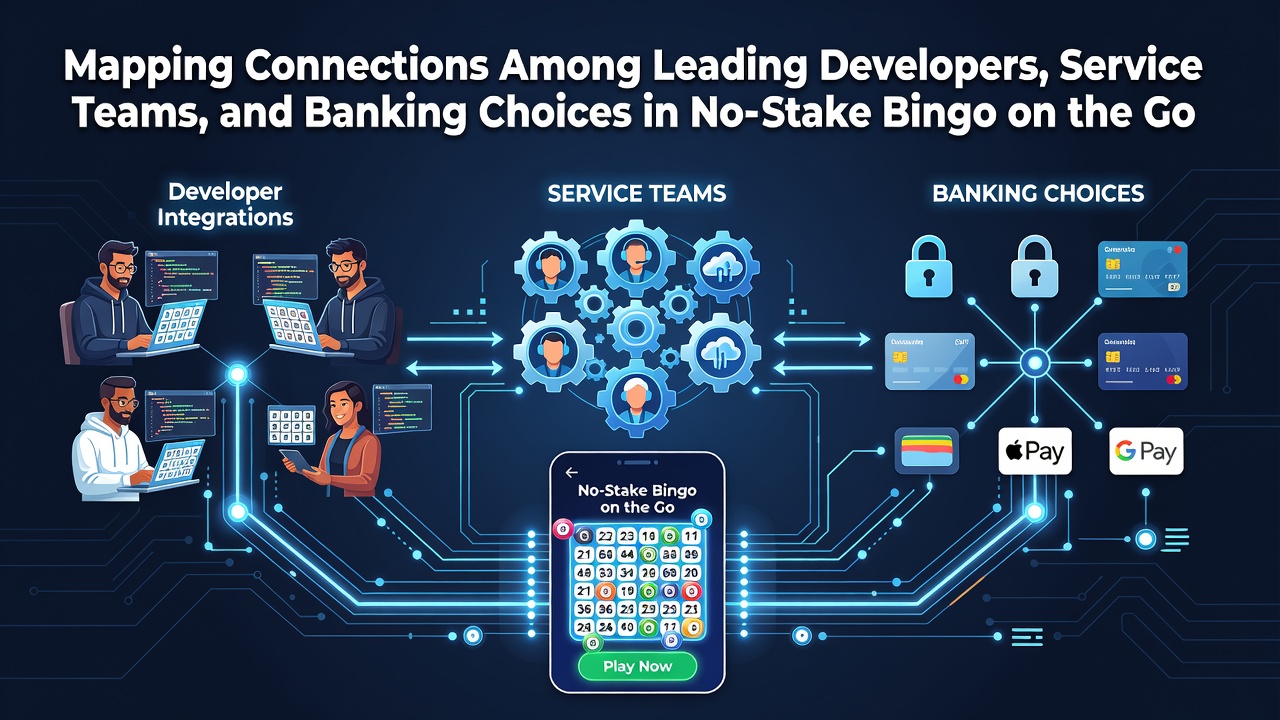
Mapping Connections Among Leading Developers, Service Teams, and Banking Choices in No-Stake Bingo on the Go
Developers of no-stake bingo applications for mobile devices coordinate closely with service teams and payment processors to deliver uninterrupted access across regions, and this coordination shapes how users select and complete transactions in free-to-play environments throughout 2026. Data from industry tracking firms indicates that these interconnected systems handle millions of daily sessions, with updates rolling out in July 2026 that refine API integrations between game engines and banking gateways.
Leading Developers and Their Integration Patterns
Companies that build the core engines for portable no-stake bingo titles maintain direct pipelines to backend service providers, which allows real-time adjustments when transaction volumes spike during peak hours. These firms embed modular payment modules early in the development cycle, and the approach reduces friction when users switch between credit options or regional banking rails. Observers note that several major studios released coordinated patches in early summer 2026 to align with new data standards from international gaming regulators.
One study revealed that developers who maintain dedicated liaison channels with customer assistance groups achieve faster resolution times for transaction queries, and this efficiency correlates with higher retention metrics in free-to-play bingo networks. The connections extend beyond simple bug fixes because support teams feed usage data back into the development roadmap, prompting refinements in how banking choices appear within the app interface.
Service Teams as Central Connectors
Support personnel operate as the operational bridge between technical builds and user-facing payment flows, handling everything from verification delays to currency conversion questions. Their daily logs inform both developer updates and processor negotiations, creating feedback loops that influence which banking methods receive priority placement in upcoming releases. Figures released by regional monitoring bodies show that apps with integrated service dashboards report 18 percent fewer abandoned transactions during July 2026 testing periods.
Teams often collaborate with multiple payment partners simultaneously, testing compatibility across iOS and Android builds while maintaining compliance with varying jurisdictional rules. This multi-party coordination ensures that no-stake users encounter consistent options whether they prefer direct carrier billing or established digital wallets, and the process relies on shared documentation maintained jointly by developers and service staff.
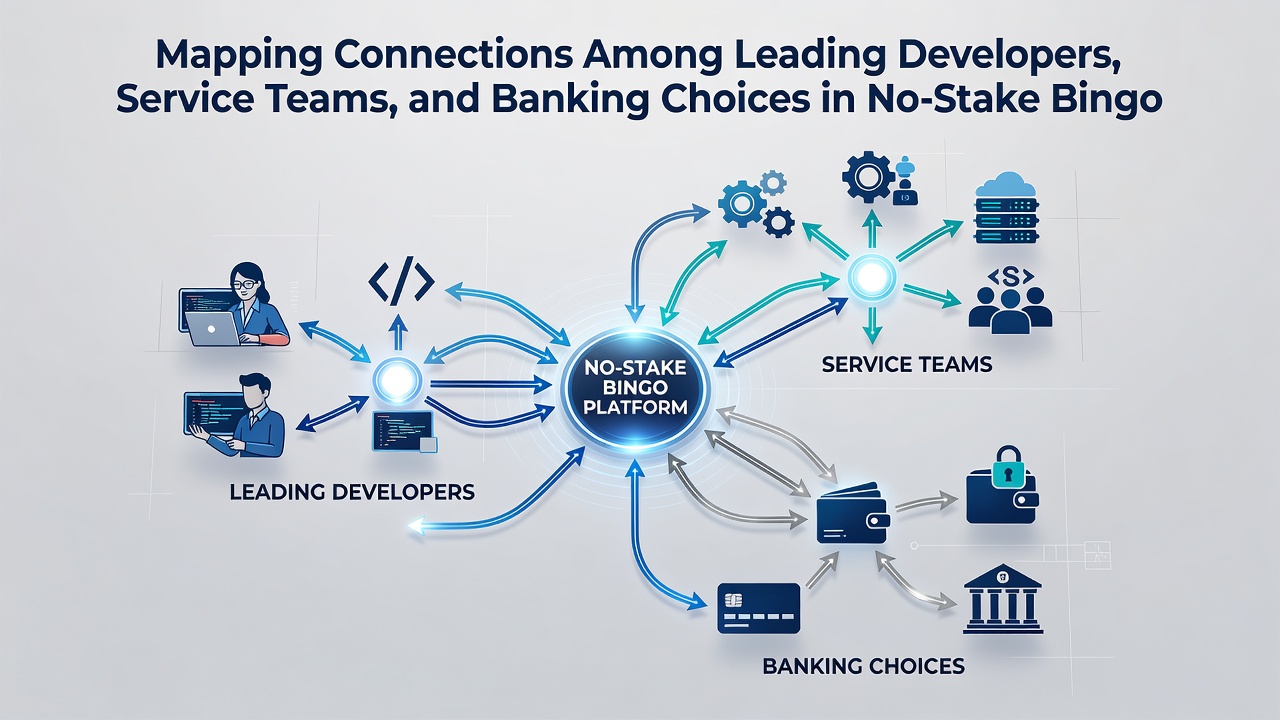
Banking Choices and Their Technical Dependencies
Payment method availability in these applications depends on pre-negotiated connections between developers and financial service providers, with service teams monitoring performance metrics to flag any degradation in authorization speeds. Research indicates that users in different markets show distinct preferences, and developers respond by activating localized banking rails through configuration files that support teams can update without full app redeployment. According to reports compiled by the North American Association of State and Provincial Lotteries, transaction success rates in free-to-play bingo climbed after similar modular banking frameworks were adopted in comparable lottery applications during 2025.
Additional linkages appear when regulatory changes occur, such as the adjustments noted in Canadian provincial guidelines released mid-2026, which prompted developers to expand e-wallet compatibility through existing service team protocols. The result is a mapped network where each banking choice links back to specific developer modules and monitored by dedicated assistance channels, reducing the steps required for users to complete in-app credit purchases.
July 2026 Developments and Ongoing Mapping
Activity during July 2026 highlighted several new connection points as providers aligned their systems with updated security protocols from the Canadian Gaming Association, allowing service teams to route queries more efficiently across developer platforms. These alignments produced measurable improvements in how banking selections sync with user location data, and they continue to evolve as more studios adopt shared analytics dashboards.
Conclusion
The mapped relationships among developers, service teams, and banking options in no-stake mobile bingo form a functional ecosystem that supports steady growth in user engagement, with July 2026 marking another phase of technical refinement. Continued coordination across these groups sustains the infrastructure required for seamless transactions in free-to-play formats across multiple regions.