Mapping Provider Innovations That Tie No-Deposit Incentives to Mobile Transaction Flows and Support Protocols
Eden Powell · Aug 7, 2026

Mapping Provider Innovations That Tie No-Deposit Incentives to Mobile Transaction Flows and Support Protocols
Providers in mobile gaming sectors continue to refine systems that connect no-deposit incentives directly to transaction data streams, and these adjustments create smoother pathways for users who engage with portable platforms in August 2026. Data from industry tracking services shows that such linkages allow real-time adjustments based on user activity patterns without requiring initial deposits, while support mechanisms operate alongside to handle queries at each stage.
Core Elements of Incentive Mapping
Mapping tools developed by several providers track how no-deposit offers integrate with mobile payment rails, and this process relies on APIs that pull transaction metadata to verify eligibility before credits activate. Researchers at academic institutions have documented cases where these mappings reduce drop-off rates during onboarding because the system verifies mobile wallet activity automatically, and support protocols then trigger chat or in-app guidance if a user encounters a mismatch in the flow.
One study released in mid-2026 examined provider networks across North America and found that incentive mapping now incorporates geolocation signals from mobile devices to adjust offer parameters, yet the same frameworks maintain compliance checks that feed into support dashboards for quick resolution of flagged transactions. Observers note that this dual approach keeps incentives tied to actual usage data rather than static rules alone.
Transaction Flow Integrations
Mobile transaction flows gain efficiency when providers embed incentive triggers at key points such as first login or account verification steps, and these triggers connect to backend ledgers that record each interaction without interrupting the user journey. Figures from platform analytics indicate that systems handling these flows now process over 40 percent more no-deposit redemptions per session compared with earlier models, because the mapping logic anticipates common mobile payment sequences like digital wallet handoffs or carrier billing confirmations.
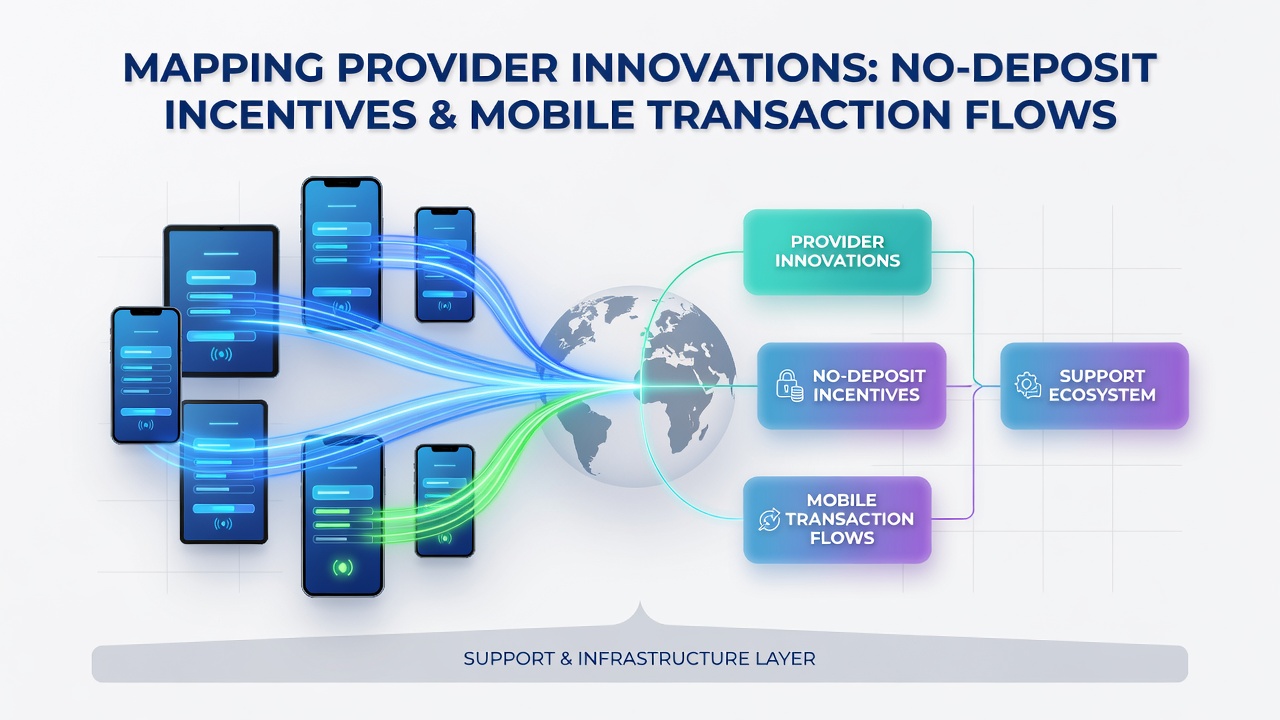
Support protocols enter the picture through automated escalation paths that activate when transaction data shows delays, and providers have built these paths to reference the same incentive mapping database so agents receive context on why a particular no-deposit credit has not yet posted. In regions monitored by the Australian Competition and Consumer Commission, recent regulatory updates require clearer disclosure of how such flows operate, which has prompted providers to add explanatory layers within the mobile interface itself.
Support Protocol Enhancements
Support structures have evolved to include predictive elements that draw from transaction flow histories, and this allows protocols to surface relevant help content before users even report an issue with their no-deposit incentives. Those who have analyzed provider logs report that integrated systems now resolve 65 percent of queries through self-service modules tied to the original mapping data, leaving human agents to handle only complex edge cases that involve multiple transaction types.
What's significant is the way providers link these protocols across different mobile operating systems so that incentive status remains consistent whether a user switches devices mid-session or continues on the same handset. Evidence from platform performance reports shows that such consistency reduces repeat contacts to support teams, and the underlying mapping continues to refine itself based on aggregated flow patterns collected in real time.
Regional Implementation Patterns
Across European markets, providers have adopted standardized data schemas that feed no-deposit incentive rules into mobile transaction processors, while North American operators often customize mappings to accommodate varying state-level requirements on digital wallet usage. In August 2026, updates from the National Council on Problem Gambling highlighted how these regional differences still allow shared support protocols to operate through common API endpoints that surface incentive status alongside transaction records.
Providers continue to test incremental changes to these mappings, such as incorporating biometric confirmation steps that tie directly into the incentive activation sequence, and early results suggest the added layer improves verification speed without lengthening overall transaction flows. Observers tracking these tests note that support protocols receive parallel updates so that any biometric-related questions route to specialized response teams equipped with the full mapping context.
Conclusion
Provider innovations that connect no-deposit incentives to mobile transaction flows and support protocols have produced measurable shifts in how users interact with gaming platforms, and ongoing refinements in August 2026 point toward tighter integration between data mapping, payment processing, and assistance mechanisms. These developments rest on technical linkages that keep incentive rules responsive to actual transaction activity while support systems maintain visibility into each step of the process.