Tracing Connections Between Game Developers and Reward Distribution Patterns in Portable Bingo Formats
Erik Lehmann · Aug 21, 2026
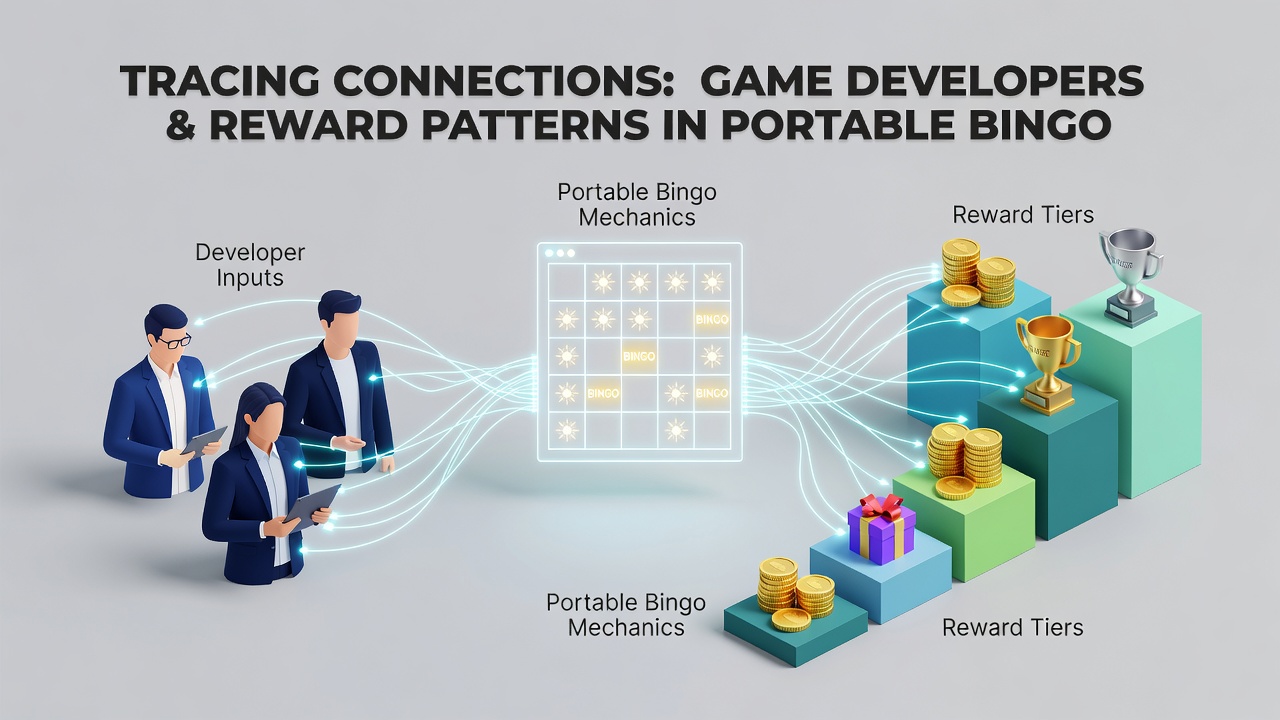
Tracing Connections Between Game Developers and Reward Distribution Patterns in Portable Bingo Formats
Portable bingo formats have expanded rapidly through mobile applications where game developers shape reward distribution through specific design choices in algorithms and user interfaces, and data from industry reports shows consistent patterns in how prizes and bonuses appear across sessions. Developers create the underlying systems that determine win rates, bonus triggers, and payout schedules, while those systems rely on player engagement metrics collected in real time to adjust distributions dynamically.
Developer Frameworks and Their Impact on Mobile Reward Systems
Game developers build portable bingo applications using standardized frameworks that incorporate random number generators alongside behavioral tracking modules, and these tools allow precise control over how rewards flow to users during gameplay. In August 2026 several development studios released updated toolkits that linked session length data directly to reward tiers, creating measurable differences in prize allocation between new and returning players across multiple platforms. Observers note that such integrations produce traceable patterns where early-session bonuses appear more frequently in applications from certain studios compared with others that prioritize steady mid-session distributions.
Research from the Australian Gambling Research Centre indicates that developer choices in reward scheduling correlate with overall retention rates in free-to-play mobile bingo environments, while the same data highlights variations tied to geographic deployment regions. Developers often embed analytics layers that monitor tap frequency and session duration, then feed those inputs into reward engines that scale jackpot sizes or bonus rounds accordingly.
Observed Patterns in Reward Distribution Across Portable Formats
Analysis of multiple portable bingo applications reveals recurring distribution patterns where developers cluster higher-value rewards around specific time windows within a session, and these clusters align with design decisions that favor progressive unlocking mechanics. Data shows that applications built with certain engine versions release smaller incremental rewards at higher frequency early on, then shift toward larger but less frequent payouts later, a structure that emerges repeatedly across different developer portfolios. Those patterns become visible when comparing payout logs from applications released between 2024 and 2026, where the same studios consistently apply similar reward curves regardless of theme or branding.
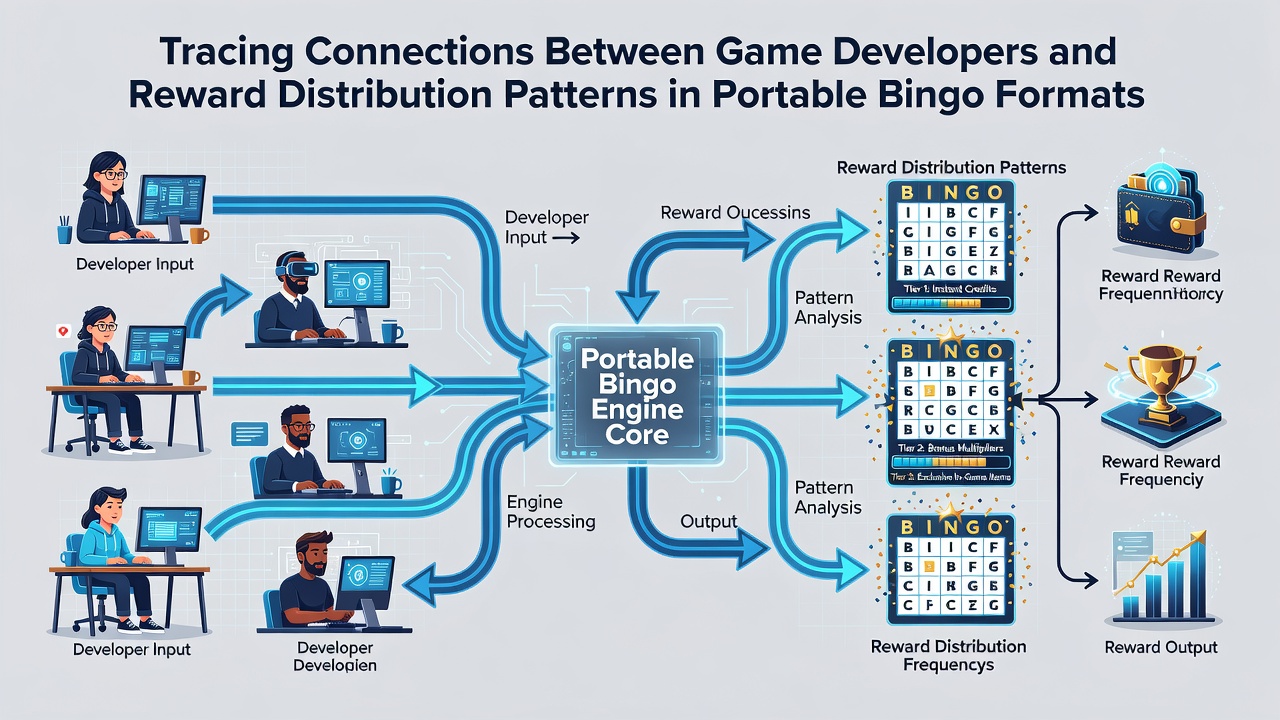
Studies conducted by the University of Nevada, Reno have documented how these developer-driven patterns interact with device-specific variables such as screen size and network latency, producing slight but measurable differences in reward visibility and claim rates. Portable formats allow developers to test distribution variants through A/B deployment methods, and results from those tests feed back into subsequent updates that refine the underlying reward logic.
Technical Links Between Code Architecture and Prize Allocation
Code architecture decisions made by developers directly influence how rewards reach players in portable bingo, because modular reward components can be updated independently of core game loops. This separation enables rapid adjustments to distribution parameters without full application rebuilds, and several studios have adopted this approach in 2026 to respond to shifting player activity data. The result appears in distribution logs as sudden recalibrations of bonus frequency following minor code pushes, patterns that repeat across applications from the same development teams.
Developers also connect reward systems to external data feeds that track aggregate player behavior, allowing distribution rules to evolve based on collective trends rather than individual sessions alone. Such connections produce network-level effects where changes implemented by one studio influence reward expectations across multiple portable bingo titles that share similar backend services.
Conclusion
Connections between game developers and reward distribution patterns in portable bingo formats rest on measurable technical and data-driven relationships that continue to evolve with new toolkits and deployment methods. Reports from regulatory and academic sources document consistent structures in how rewards are scheduled and adjusted, while August 2026 updates further illustrated the role of analytics integration in shaping those outcomes across mobile environments.