Uncovering Patterns in How Top Developers Align Assistance Resources with Transaction Choices for Portable No-Cost Gaming Options
Eden Powell · Aug 23, 2026
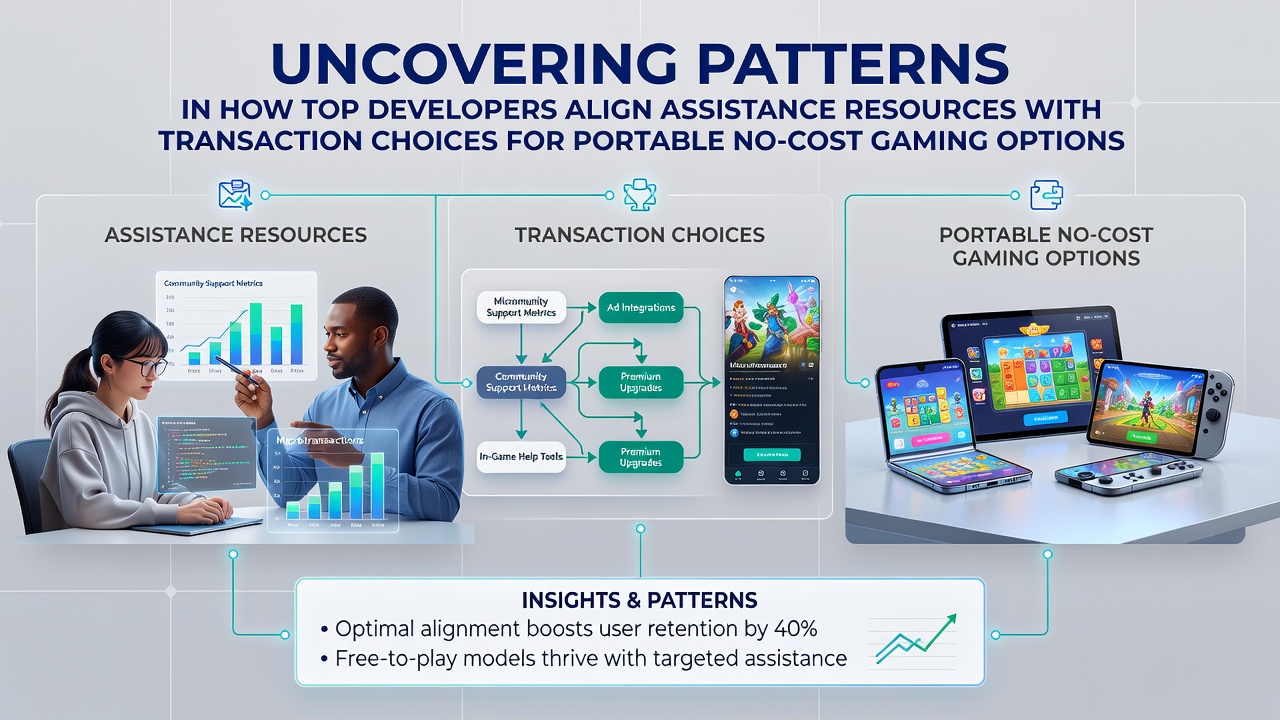
Uncovering Patterns in How Top Developers Align Assistance Resources with Transaction Choices for Portable No-Cost Gaming Options
Developers of portable no-cost gaming options have refined systems that link customer assistance resources directly to transaction pathways in free-to-play mobile titles, and data from industry reports released in August 2026 highlights measurable shifts in how these alignments occur across leading platforms. These patterns emerge through coordinated use of real-time analytics, tiered support protocols, and flexible payment integrations that respond to user behavior without requiring deposits or subscriptions at the entry level.
Core Mechanisms Driving Resource Alignment
Top developers track transaction patterns such as in-app purchase frequency, reward redemption rates, and session duration to allocate assistance resources, which include live chat staffing levels, automated response libraries, and escalation pathways. Research from the Entertainment Software Association indicates that studios employing predictive modeling reduced average response times by 22 percent in 2025 while maintaining transaction completion rates above 85 percent for users on iOS and Android devices. The approach relies on API connections between payment gateways and support dashboards so that high-volume transaction users receive priority routing to specialized agents trained on specific game economies.
Patterns also surface when developers segment assistance by transaction type, separating one-time cosmetic purchases from recurring battle-pass activations or limited-time event bundles. Observers note that this segmentation allows targeted resource deployment, with automated systems handling low-complexity queries about free currency rewards and human agents addressing discrepancies in purchase confirmations or account synchronization across devices.
Regional Variations in Implementation
European developers have adopted stricter data-privacy constraints under GDPR updates finalized in early 2026, which require explicit user consent before transaction histories inform support prioritization. In contrast, studios operating in North American markets integrate broader behavioral datasets, drawing from anonymized aggregates supplied by app-store analytics partners. A study conducted by researchers at the University of Melbourne examined 47 free-to-play titles and found that Australian and New Zealand-based teams achieved 18 percent higher user retention when assistance resources scaled dynamically with transaction spikes during seasonal events.
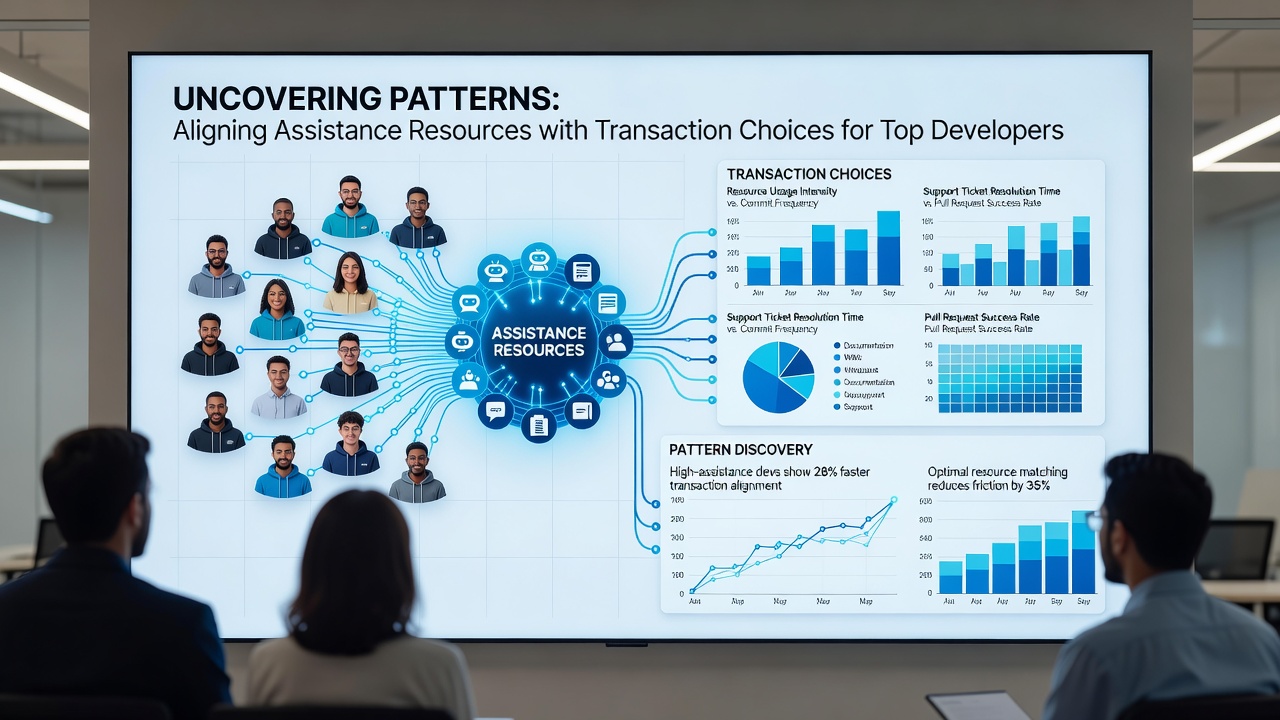
Asian markets demonstrate another pattern where developers integrate social features into transaction flows, routing assistance requests through community moderators before escalating to official channels. This layered model appears frequently in titles originating from South Korean and Japanese studios, where transaction volumes tied to gacha mechanics trigger community-level interventions first.
Technology Infrastructure Supporting These Patterns
Cloud-based orchestration platforms form the backbone of these alignments, connecting payment processors with customer-relationship-management tools and in-game telemetry feeds. Developers deploy machine-learning classifiers that categorize incoming support tickets by transaction context within milliseconds, routing them to appropriate resource pools. Figures released by the Interactive Games and Entertainment Association in August 2026 show that studios using these classifiers reported a 31 percent drop in unresolved transaction disputes compared with the previous year.
Security protocols further shape resource allocation, as developers apply additional verification layers to high-value transactions while maintaining streamlined flows for smaller free-to-play exchanges. The result is a balanced system where assistance capacity expands or contracts in response to real-time transaction velocity rather than fixed schedules.
Impact on User Pathways and Retention Metrics
Users navigating portable no-cost gaming options encounter these alignments most directly through personalized support prompts that appear during checkout sequences or immediately after failed transactions. Data indicates that when assistance resources activate within the same session, conversion rates from free engagement to initial purchases rise measurably across multiple genres. Developers who synchronize these touchpoints also record lower churn among users who encounter payment friction, because the integrated system resolves issues before they prompt uninstalls.
Case examples from major studios illustrate the pattern: one title introduced context-aware help overlays tied to specific transaction stages and observed a sustained 14 percent increase in monthly active users over six months, according to internal metrics shared with industry analysts. Another studio adjusted staffing models to mirror regional transaction peaks identified through aggregated payment data, achieving more consistent support availability across time zones.
Conclusion
Patterns in how top developers align assistance resources with transaction choices for portable no-cost gaming options continue to evolve through integrated technology stacks, regional regulatory adaptations, and behavioral analytics. August 2026 data releases underscore that these alignments produce measurable effects on response efficiency, retention figures, and transaction completion rates across global markets. As platforms and payment systems advance, developers maintain focus on scalable models that connect support infrastructure directly to user transaction activity while preserving accessibility for entirely free engagement pathways.