Unraveling How Software Makers Tie Flexible Payments to Help Services in Deposit-Free Mobile Bingo Formats
Taylor Simmons · Aug 21, 2026
Unraveling How Software Makers Tie Flexible Payments to Help Services in Deposit-Free Mobile Bingo Formats
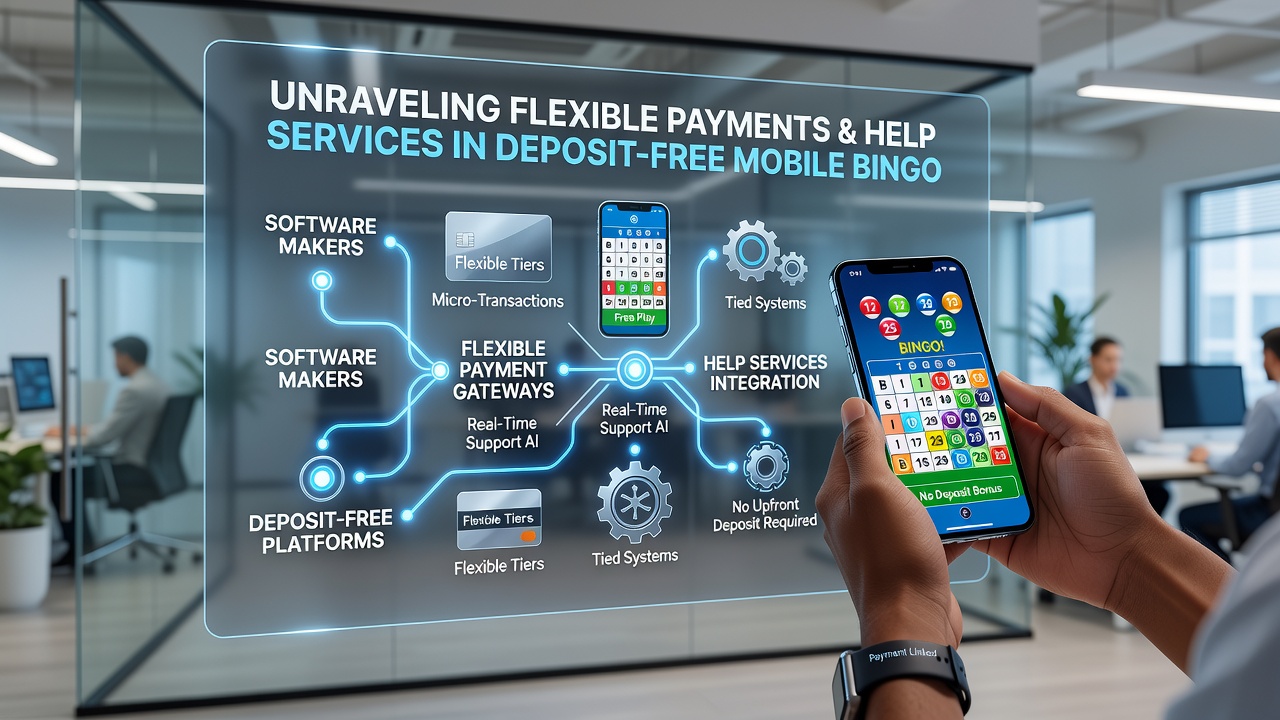
Software developers in the mobile bingo sector have built integrated platforms that connect adaptable payment structures directly to assistance protocols within deposit-free environments, allowing users to engage without initial financial commitments while receiving real-time guidance on transaction adjustments. These systems emerged from technical requirements identified across multiple markets, where operators needed ways to handle variable user access patterns without traditional funding barriers, and developers responded by embedding support layers into the core payment architecture.
Core Mechanics of Deposit-Free Mobile Bingo Systems
Deposit-free formats operate through credit-based or promotional entry models that software frameworks manage via automated verification tools, and these frameworks link payment flexibility to help services by routing user queries through the same backend that processes transaction modifications. Data from industry implementations shows that such linkages reduce friction in user sessions, as support agents gain immediate access to payment histories and can adjust parameters like credit limits or bonus allocations on the fly. Researchers at institutions tracking gaming technology have documented how these connections rely on API integrations that pull from both financial modules and customer service dashboards simultaneously.
One case involved a development team that engineered a unified dashboard where flexible payment toggles trigger contextual help prompts, guiding players through options such as extended play credits or deferred settlement features without requiring external navigation. This approach stems from patterns observed in portable applications where users frequently shift between free and paid modes, and the software ensures that assistance remains embedded rather than siloed.
Integration Strategies Employed by Software Makers
Developers tie payment flexibility to support services through modular code structures that allow real-time synchronization between billing engines and helpdesk interfaces, a method that has gained traction as mobile bingo expanded into new regions during 2026. According to findings released by the Canadian Gaming Association in mid-2026, these integrations support compliance with varying regional rules on no-deposit offerings by logging all adjustments in auditable trails that both operators and users can review. The process typically involves encrypted data flows that let support personnel authorize temporary credit extensions or resolve disputes over promotional balances directly within the app environment.
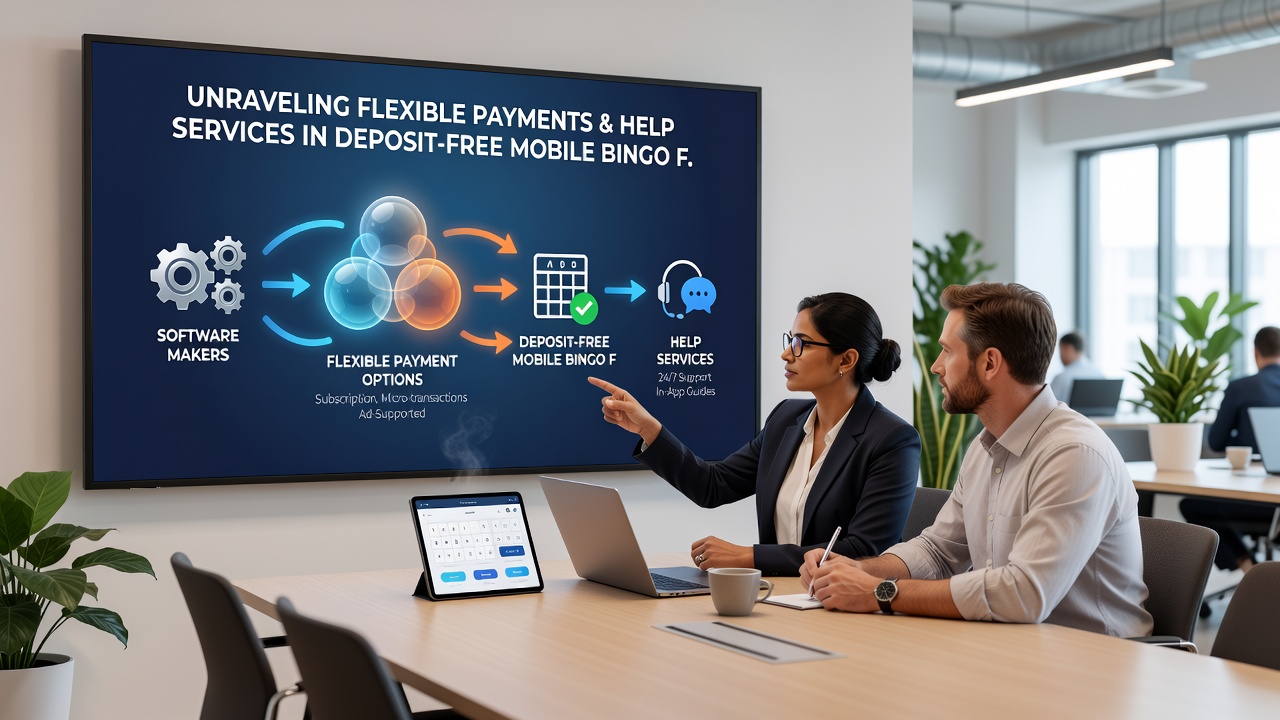
What's notable is how these ties extend to automated features as well, where algorithms detect payment anomalies and escalate them to live agents equipped with pre-populated resolution templates. Observers note that this reduces response times in deposit-free scenarios, where users often test multiple entry points before committing to sustained play. Software makers have refined these elements based on usage metrics collected across platforms, leading to standardized protocols that appear in updates rolled out around August 2026.
Technical and Operational Linkages in Practice
Payment flexibility manifests in features like adjustable stake multipliers or rollover extensions, which software ties to help services through shared databases that flag when users encounter limits or errors. This setup draws from earlier advancements in networked gaming, and a report issued by the University of Nevada's International Gaming Institute highlights how such connections improve operational efficiency by allowing support teams to reference the same rule sets that govern transaction processing. In practice, when a player requests a change in credit allocation within a no-deposit bingo session, the system routes the query alongside payment data so agents can approve or modify without separate verification steps.
Those who've examined provider networks find that these linkages also incorporate feedback loops, where resolved support cases feed back into payment algorithm tweaks to prevent recurring issues. Geographic variations influence the exact configurations, with some markets emphasizing stricter audit requirements that demand more robust logging between the two service layers.
Broader Industry Context and Recent Developments
By August 2026, several software providers had incorporated advanced analytics into these payment-support connections, enabling predictive assistance that anticipates user needs based on session behavior in deposit-free formats. Figures from regulatory updates in Australia, shared through the Australian Communications and Media Authority, indicate rising adoption of these integrated tools among operators seeking to maintain engagement without upfront deposits. The connections prove especially useful in handling cross-border access, where currency conversions and regional promotions require coordinated adjustments through both payment and help channels.
Examples from deployed applications show developers using containerized microservices to isolate payment functions while maintaining open channels to support modules, ensuring scalability as user volumes grow. This technical choice aligns with demands for seamless experiences that keep players within the deposit-free ecosystem longer.
Conclusion
Software makers continue to refine the connections between flexible payments and help services in deposit-free mobile bingo by focusing on synchronized data flows and embedded assistance tools, developments that reflect ongoing adaptations to user patterns and regulatory landscapes across regions. These integrations support the operational backbone of such formats, with evidence from multiple sources confirming their role in streamlining transactions and resolutions alike. As platforms evolve further, the emphasis remains on maintaining these ties through consistent technical standards that prioritize accessibility without initial deposits.